Showing posts with label koch industries. Show all posts

Sunday, March 17, 2019

Koch Industries CFO Steve Feilmeier Startup Grind Local Wichita

Steve Feilmeier

Recently Koch Industries CFO Steve Feilmeier sat down with Startup Grind Wichita on February 20, 2019. Chase Koch (son of Charles Koch did a similar sit down back in November 2018 which can be seen here and I blogged about here. Koch Industries is making an effort to get executives of the company out in the public discussing what Koch Industries actually does and what they stand for. These days Koch Industries has grown to a company with $130 billion in revenue and roughly 140,000 employees.

Steve currently is the executive vice president and chief financial officer of Koch Industries. He started with the company back in 1997 as a controller for the Koch Chemical Group and then had various roles in controller operations, tax, treasury, cash management, mergers and acquisitions. In the interview Steve said he had 15 different jobs before he became CFO of Koch Industries. Actually Steve wasn't originally groomed to be the CFO of Koch Industries. Koch Industries had identified someone to become CFO and then after 3 months on the job that individual left the company (it was pointed out that Koch was painfully aware Steve wasn't ready for the job). Steve says one of the most unpleasant days of his life was when Dave Robertson and Charles Koch sat down with him to give him feedback about what he needed to work on. Having these different roles within Koch must have given Steve a really good idea of how the company runs internally. Usually if companies are grooming someone to an executive role they have that individual work in different areas to get exposed to understand how different departments function. Steve points out that Charles Koch has been his biggest mentor over the years. At Koch Industries Steve points out that is it okay to say you don't know the answer a question but jokes if Charles Koch asks you then you better have an answer within a couple of hours or the next day.

Steve discussed the inter workings of Koch Industries in terms of how they perform deal making, the culture of the company, and what it was like working with Charles Koch. In terms of deal making Koch treats a $500,000 deal just like a $5 million or a $50 million deal. When performing an investment the most important thing is the quality of the idea, if the idea is actually solving a problem in society. Also when doing a deal with an entrepreneur Koch likes to see if the company will do the right thing (having integrity), if the entrepreneur is are realistic about projections and are honest saying "hey this project actually may cost 2 or 3 times what I project, but I have a backup plan for that", an entrepreneur that is also willing to not take a paycheck for a couple of years and give up their social life in the process. The entrepreneur also has to have a real business plan and it can't be all in their head. The plan has to have real numbers and make logical sense to solving a problem. Also it is pointed out that when Koch creates profit it consuming less resources. Steve discussed how Koch was going to invest $600 million in a project for Georgia Pacific to use technology to improve the quality of the toilet paper (Quilted Northern) while also consuming less resources. The project is suppose to reduce pulp by 20% (which reduces the number of trees cut down), reduce water consumption by 20% (making toilet paper consumes an extraordinary amount of water), and reduce natural gas by 20% (this is used to dry the toilet paper), while expecting to increase the cash flow of Koch Industries by $100 million per year (which would say the project pays for itself in roughly 6 years or has a 17% return on investment).

When actually performing a deal Koch Industries tries to target a 12-15% return on projects that Koch invests in depending on the risk. Back in 2004 or 2005 Koch embarked on a $40 billion investment plan and then came back in 2011 or 2012 and evaluated the progress report of the return on the projects that they invested in. Koch reviewed 13-14 major projects and when they were reviewing the analysis of the overall return of the projects showed a healthy 14% return but Charles Koch with his engineering training called this type of analysis nonsense. Charles pointed out that the average of all the projects were 14% but when you looked at each project (incremental analysis) that comment was not correct. One project may earn a negative return, 0%, 5%, and then some projects may earn an extraordinary return that increases the weighted average of all the projects to a 14% return. After this presentation Koch changed the way they analyzed projects. When Koch evaluates projects the company looks at all the ways it can go wrong and what are the contingencies if it does go wrong. Steve points out that when Charles is evaluating a deal he has doesn't get emotional, is not strategic, and only looks at the numbers to see if it makes sense. Companies sometimes purchase things to be "strategic" and then later have to take a large write down because of a bad deal. What is also interesting is how Koch isn't run with Charles Koch making all the decisions and everyone just executing his plans. Steve remarks that in 23 years being CFO for Koch Industries he has never been told what to do, however he will let management know what is it doing to get ideas and feedback and if he needs "course correction". These days Charles doesn't have to approve everything on the strategies or acquisitions. Charles in a 2015 interview admitted that he used to get involved in every detail in a deal but these days since Koch is so large it is impossible for him to do that.

On April 30, 2004 at 5 P.M. ET Koch purchased Invista for $4.2 billion in cash. Koch purchased Invista for 6 times (12 month trailing EBIDTA) which is not a bad deal. Invista is a textile company that was in charge of making things like carpet, flooring, nylon, fabric that is used to make pillows, mattress tops, bed comforters and many other products that are used in everyday life. Well Charles Koch was thinking after Koch acquired Invista the company would instantly adopt the same market based management philosophy that Koch Industries used. The issue was Invista was pulled out of a large company (DuPont) that had a different culture than Koch. It took Koch 10 years to unravel this and fix all the issues they had. Today, Invista is one of Koch's most profitable companies. Charles reminds CFO Steve Feilmeier that project deserves an F grade on that acquisition.  In 2017, Koch sold Lyrca (a product sold by Invista) to a Chinese company for $2 billion.

Overall, in the long run Koch Industries has done quite well on their investments. Steve mentions that the company has earned a 13-14% return which has led the company to double in size roughly every 5-6 years. The company has reinvested 90% of the earnings back into the company for the past 55 years which has lead to tremendous growth. The company has in the past 6-7 years spent $17 billion on technology capabilities for the company. Part of these monies were spent on Infor which was presented at a forum for the company. Koch was spending $500 million a year on their HR human capital function. Currently, Koch doesn't have know exactly how many employees it has worldwide and has to rely on multiple records and systems to keep track of everyone. Koch purchased Infor which has software that can be stored in a cloud and integrate all the data into one system. Also another positive is that the software constantly updates itself so upgrades aren't required (Koch was generally performing updates every 3-5 years). With the new technology Koch expects to reduce their costs by 20%-40%. Koch also hopes it will reduce the time it takes to hire employees and also help their internal recruiting. Also they hope this technology will improve downtime at plants and refineries that Koch owns as well.

As Steve points out when Charles inherited the company there was $12 million of equity on the balance sheet which has grown by 7500 times since then. This would say that Koch Industries is worth $90 billion and since Charles Koch is a 42% owner of the business his net worth would be $38 billion which is quite different than the figures that Forbes, Bloomberg, and other sources are reporting. However, even as Charles has accumulated massive amounts of wealth Charles is always worried about the business all going away tomorrow. The constant fear or worrying is throughout Koch Industries. Koch executive vice president Jim Hannan has commented that you have to avoid feeling complacent and having the self satisfaction and have to worry about competitors coming in "and then just get dragged down from behind and get our throats slit".

Overall, I thought the CFO Steve Feilmeier handled himself well in the interview, was quite knowledgeable, and also could be personable too. These days Koch has a deep bench of executives that could step in if something were to happen to anyone which is always a good thing. Feilmeier is only 57 years old so he probably still has another decade or so in that role. He mentioned in his role these days he and Charles both mentor other employees and pass on what they have learned over the years. Hopefully in time the results will be passed on to other employees and will allow Koch Industries to grow even more.

Saturday, January 26, 2019

Chase Koch Wichita Startup Grind Summary and the Future of Koch Industries

Image result for chase koch startup grind

On November 14, 2018 Chase Koch sat down with Wichita Startup Grind for an interview that began at 5:30 P.M. (his wife Annie was 15 minutes late since she was working) with many employees from Koch Industries in the audience to support Chase. Chase discussed his younger years, his time of living and playing music in Austin, working at Koch Industries, and his journey to how he got to where he is today.

Chase in the interview mentions how his father Charles Koch really studied philosophy and liked to read Hayek and Maslow and other free market thinkers, however at first this really didn't sink in for Chase. Chase would say the quote he would remember from Maslow is "What you can be you must be" which is something he has tried to carried with him. Every Sunday Chase and his sister Elizabeth would sit down for a 2-3 hours and have their father Charles Koch read to his children Human Action from Ludwig von Mises or have them listen to books on tape from Walter E Williams. Chase admits these days he says he has a "libertarian nature".

In his younger days Chase enjoyed playing tennis (his parents made sure their children lived up to their potential and found something they were good at-his sister Elizabeth was a runner). Chase was actually quite the tennis player and Sports Illustrated profiled him in their "Faces In the Crowd" which usually recognizes some of the best athletes in the country. Although, Chase was a great tennis player he started getting burned out and started throwing tennis matches so he could go home and party with his friends. This led to a meeting with his father where his father told him either he could give 100% on the tennis court or start working (he started working). So in the summer of 1993 when Chase was only 15 an old beat up pick up truck took Chase on a 5 hour drive to Syracuse, Kansas were Koch Industries owned feedlots with 55,000 head of cattle and shoving you know what. For the summer Chase lived on the couch and earned $7.50/hour and worked from 5 A.M. to 7 P.M. and worked 7 days a week and had to pay $350/month for rent for a guy that lived in a double wide trailer. After this summer experience Chase would say in this video he thought there was an evil Koch brother and he joked he almost turned in his father in for child abuse. Overall though he admitted it was a good experience because before this time period he had never worked a day in his life and if he had not worked he would have gone down the path of a country club brat.

Chase graduated Texas A&M University in 2000 (I bet he is a target for donor giving). He was recruited by former Koch president Bill Hanna who attended A&M with a business degree in marketing. He had the music bug and in college played in a band that covered Led Zeppelin, Phish, The Grateful Dead, and Pink Floyd. After he graduated was during the tech bubble of the early 2000's was a difficult time in job market. With the tech bubble burst companies aren't exactly looking to hire marketing (since this is one of the first things they cut). Chase decided to look around and see if he could still get work and decided to offer to work for free for a company (they would eventually pay him) so he could get the learning experience under his belt. Leslie Rudd (who was good friends of Charles Koch) had dinner with Chase and wondered what Chase was doing as Chase in his own words "screwing around in Austin". Leslie suggested that Chase go back to Wichita and go work for Koch Industries were he could learn plenty from Koch leaders and his father. He would join Koch Industries in 2003 starting out in the accounting group, moved to the tax group, then moved to the risk management group, then trading, and then business development. Charles Koch and other Koch leaders had planned out a "Koch-MBA" style training program for Chase. Often times in large companies you get exposed to many different areas in order to understand the basics of how the business operates. Koch admits that learning the basics of how Koch Industries was not exciting but admits he had to learn the business from the ground up. As his mother would say "you can either pay now or pay later". Chase had high expectations of himself which led to anxiety and he felt as if he had to work three times harder than everyone else. When Chase asked his father what percentage of his days should be good his father turned the question around and asked his son what percent of his days were good. Chase responded only 40% of his days were good and the other 60% were not so good. His father thought this percentage was actually pretty good. Running any company is no picnic-especially a conglomerate like Koch Industries that is a $100+ revenue company with so many different companies and subsidiary companies in 60 different countries.

When Chase was placed in charge of Koch Fertilizer he began to crack. He was running 5 different business units (sales, marketing, trading, and other groups). Chase was also working hard-coming in to the office at 5 A.M. and staying late (according to this article back in 2014 Charles was getting to the office around 7 A.M. and works until 6 P.M. ) At this point Chase approached Koch leader Dave Robertson for advice. Dave told Chase that any good leader has to do three things. The first is to set a clear vision of where you going. The next important thing is to get the right leaders in the right role. The third point is to help the team in a way that is mutually beneficial. Chase said he tried to learn from this and constantly apply what he was learning from other Koch leaders.

What is interesting is Chase admits this role was not an easy one for him. He felt as if he had to understand all the details and even admits to micromanaging things (which frustrated him). The group Koch Ag looked at high efficiency fertilizer, high efficiency technologies and he would spend his time in Silicon Valley, Boston, and New York learning how technologies could help Koch Industries. This would lead into Koch Disruptive Technologies (KDT) which was created to look at technologies that are so disruptive that Koch Industries could use these technologies to expand and improve capabilities within the company. KDT is industry agnostic as well. Chase admits the division is pre-revenue which I translate into not producing any cash flow yet (which honestly I am surprised as Dave Robertson in this 2012 article mentioned that "Charles is focused on, really, the present value of the future cash flows, thinking long term". Perhaps when Koch has analyzed these projects they produced positive cash flow over a 10-15 year time horizon. However, the issue is these technologies change so quickly that is hard to model in any analysis. KDT has key criteria for whether or not they get involved. Factors such as how disruptive the company is, has the company demonstrated the idea in the marketplace, how much potential the idea has, if the founder of the company and leadership are proven principled entrepreneurs and if there is mutual benefit. Chase does echo what his father mentions in that any partnership (he uses his wife Annie as an example of this) that you need an aligned vision, assigned values, and complimentary capabilities. KDT is looking and excited about healthcare, industrial use technology (this could help the reliability and safety of Koch owned plants and facilities) and exponential data. Related to this one of the biggest challenges right now for Koch Industries is how much data the company throws off. According to Chase the amount of data at Koch Industries increases every year by 60%. The company is trying to use that data to optimize their businesses processes and use that data to make better decisions.

Chase admitted in the interview that he was a shareholder of Koch Industries which makes me wonder about what Charles Koch said years ago that he "had done estate planning for many many years". It could be possible that Chase Koch owns the stock through some type of trust. Chase admitted that as a shareholder of the stock he is still learning the risk of the shareholder and not to miss any potential opportunities and at times absorb risk in a responsible way.

Chase Koch has been working at Koch Industries since 2003 which would say he has a long history and understanding of how the company works (also he lived with the man who has run Koch Industries for many decades). Right now he is in charge of Koch Disruptive Technologies however, I would be curious to see if over time he gets moved into more executive roles. Chase currently reports to Chief Financial Officer Steve Feilmeier. Also Chase is on the board of directors for Koch Industries. He has been on the board since March 7, 2013  and in addition to being on the board is also a shareholder of Koch Industries stock. What is fascinating is how he went from screwing around in Austin playing in a music band to becoming an executive at one the largest privately traded companies in the country. He said here that "it took me until I was 25 or 26 that "You're an idiot if you don't go back to Koch" and really capture the opportunity to go learn, and stop screwing around in Austin, Texas".

If something were to happen to Charles Koch tomorrow though I think Koch would not select Chase given he is only 40 years old (fun fact his birthday is January 1st) and perhaps may give it to Dave Robertson who has been with Koch since 1984 and served as the Chief Operating Officer and President of Koch since December 2005. Time will tell what happens but there is no doubt Chase Koch has come a long way and has paid his dues with this time, energy, and hard work at Koch Industries. It will be interesting to see how he shapes the future of Koch.

Sunday, July 29, 2018

Koch Industries (Case Study): Dividend Growth Rate, Profit Margins, and Reinvesting 90% of Earnings

Image result for koch industries building wichita kansas

Koch Industries has seen tremendous growth in the last 50 years. This has been primarily due to the vision of Charles Koch to continuously improve and grow the company. There is no question that Charles Koch has one if not the best of track records in terms of the rate of long term growth rates of any corporation.

The main reason for this astounding growth rate is the company reinvests 90% of their earnings back into the company (no major publicly traded company would ever consider doing this). Publicly traded companies have to deal with managing investor expectations and like to see smooth increases in earnings and steady increases in dividends. As Charles Koch mentions in this interview with Peter Robinson that Koch Industries had "a small number of shareholders so we can reinvest 90% of our profits in the business so that gave us us the capital to continue to do what we do and still pay out enough so our stockholders had all the money they needed". Koch has also diversified into other businesses over the years. In the 1970's Koch purchased Chrysler Dealerships for $195 million and then by 1982 had sold back 480 properties. In 1989 Koch entered the nitrogen fertilizer business. By 1995 the company created a venture capital fund that invested $150 million into start up companies. More than a decade later Koch would purchase Georgia Pacific This SEC file page and this Wichita Eagle from 1994 (page 24) offer insights into the rapid growth of Koch Industries and the rate of which they were involve in acquisitions. Even the chemical technology group of Koch Industries that David Koch ran saw massive growth. During his 48 year tenure David expanded his division and his division alone purchased 50 businesses (about 1 business on average every year).

One merger that really grew Koch Industries was acquiring Georgia Pacific. Georgia Pacific back in 2004 only had a profit margin of 3%. In my Georgia Pacific case study post I noted that Georgia Pacific is roughly worth $30 billion. Georgia Pacific also consisted of a large portion of the revenue generated by Koch Industries. The history of Koch Industries would also support low profit margins. Charles Koch mentions in this interview that when he took over Koch Engineering the subsidiary had only $2 million in revenue and was pretty close to break even. After Charles took over within a few years sales had doubled and also had a good return. In 1981, according to the Koch vs. Koch case Koch Industries had a roughly $15.7 billion in sales and had earnings of $273 million which would say that profit margin was only under 2% (which is quite low). In 1982 Koch Industries had revenues of close to $17 billion and earned $309 million which would be a profit margin of a little under 2%. The only problem with a low profit margin is if you invest in enough bad capital projects you would risk the safety of the company.

Koch Industries has an unusual policy of reinvesting 90% of their earnings back into the company. In this 2013 Fortune article it is mentioned that Koch Industries spends roughly $100 million per year just on research.When corporations have earnings they either can reinvest by growing and expanding the company or pay out the earnings as a form of a dividend. According to this Koch brochure from 2003 to 2014 Koch Industries invested $65 billion into mergers and acquisitions. If $65 billion represents 90% of the earnings it would say that Koch during this time period earned roughly $72 billion. Now this would say that the company earned on average $6 billion per year. I would highly emphasis on average given Koch is known for continually to grow earnings. The issue with reinvesting 90% of the earnings back into the company is that not all projects will work out. Usually in corporations capital spending is reviewed by a team of individuals and then has to be approved by management before the money can be allocated and spent (the more money that is spent the higher level of approval the project has to receive). There are assumptions made regarding the return on capital the project will produce. Often times companies may have hundreds of projects but only have so much capital so they have to be selective about which projects get funded. Companies will rank the project by the return on capital invested.  By reinvesting 90% of the earnings it would be hard to justify that all projects are worthwhile. However, the history has shown that Koch has invested in projects that have done quite well.

The extreme growth in Koch Industries has led to an amazing increase in the amount of dividends for Koch Industries shareholders. According to Sons Wichita in 1967 (when Fred Koch passed away) the company only paid out $300,000 in dividends (would be roughly $2 million in current dollars). By 1978 the dividend payouts were $3.7 million and by 1980 grew to $17.5 million and then to $28 million in the early 1980's. Not only was the Koch family doing well from the dividends but other Koch shareholders were also doing well too. J Howard Marshall in the mid 1990's with his 15% interest was earning between $7-8 million in just dividends from 1994-1995. Again as the growth of Koch Industries exploded so did the dividends. In 2015 Preston Marshall testified that his mother Elaine Marshall earned roughly $120 million in dividends per year. She currently owns roughly 15% of Koch Industries stock (Charles and David each own 42% each). This would say based on ownership (assuming all this income from Elaine Marshall was from Koch Industries) that Charles and David Koch would each earn roughly $336 million just in dividends each year from Koch Industries. In total the dividend payout for all of Koch Industries would be roughly $792 million. Doing an analysis from after Fred Koch passed away in 1967 would say that the increase in dividends on average has been 18% per year! This rate seems accurate as in Good Profit the description shows that Charles Koch grew the company from a $27 million company in 1967 to a $110 billion company by 2015 would say the growth rate of the company was on average roughly 19%/year which is similar to the growth rate of dividends.

Koch in the past decade or so has entered into other industries that may provide some increase to the historically low profit margins. The most notable recently is Koch has been lending businesses money. In 2013, Koch invested $240 million into American Greetings (a greeting card company) and obtained preferred stock. Preferred stock is more like a bond in terms of an investment. A company like Koch would lend another company money and then get a fixed return (similar to a bond).When Koch made their investment the company was roughly worth 65% less than it was worth in 1998. At the time CFO Steve Feilmeier said the greeting card business "its revenues are flat to slightly growing" and made the comment of trying to send a text to your spouse on their birthday and see how it works out. In late 2017 Koch invested $650 million in Meredith Corp (Meredith was bidding for Time Inc) and a result secured preferred shares that pay a 8.5% dividend (no voting rights though). Koch also received warrants and options that allow them to convert the warrants and options into common shares.

In 2013 Koch purchased Molex Industries for $7.3 billion.  Molex manufactures connectors, wires, cables, and connectors.  From the 2013 Molex annual report the company had a net income of $243 million on roughly $3.6 billion of revenue which would mean the profit margin would be ~7% which appears to be higher than historical profit margins the company has had. $7.3 billion is actually a large price to pay for a company that generated $243 million of net income. If you divide the purchase price by the net income it would say it would take roughly 30 years to justify the value of the deal. This SEC fact sheet for Koch Industries shows the company has an average holding period of 20 years for investments.

Koch in 2017 invested more than $2.5 billion for a large stake of Infor and acquired common and preferred shares of stock. In this video, Koch CFO Steve Feilmeier explains why Koch invested in Infor.  Infor uses software to help companies mange their inventory, accounting processes, logistics, and human resource functions. Georgia Pacific was a customer of Infor which is how the discussions for the investment started. Koch Industries used the investment bank Rothschild for the deal. Koch has part of the deal received preferred stock and common stock in the company. Infor financial statements can be found here (the company is highly profitable).

It appears that in the past Koch Industries had low profit margins given their primary business was crude oil gathering and refinery business. Over time though Koch would diversify their business holdings and tried to invest in industries that would diversify Koch Industries and have a higher profit margin. Charles Koch in this interview when asked what his father Fred Koch would think of the company now given the company has expanded into so many different areas Charles said his father would say "Holy mackerel".

Koch through diversifying over time has decreased the overall business risk (since they don't have all their companies in oil/gas). The Koch Industries today is a conglomerate more similar to Proctor and Gamble or Berkshire Hathaway. By taking the average earnings of the company every year $6 billion and dividing that by the revenue $115 billion would say that Koch Industries has a profit margin of roughly 4-5% which is more than double the profit margin the company had in the 1980s. There is no doubt that Charles Koch and his vision have made Koch Industries wildly successful over many decades. The reinvestment of dividends has grown the revenues, net worth, and dividends of the company.

Sunday, June 17, 2018

David Koch Retiring and The Future of Koch Industries Estate Planning


So with David Koch recently retiring (his official retirement date is July 1, 2018), and I mentioned in my last post that Preston Marshall was accused of spousal abuse and this may affect his ability to own Koch Industries stock. Clearly, the chairman and CEO Charles Koch is dealing with plenty of issues right now. Honestly Charles hasn't had to deal with anything like this since the Koch vs. Koch trial back in the late 1990's. 

The Preston Marshall issue should be interesting. It is mentioned that Preston Marshall owns the most amount of shares outside Charles and David Koch. Earlier in 2018 Preston was accused of spousal abuse. It is said that his wife is in the process of divorce proceedings with him. Of course I am sure he was smart and had a prenuptial agreement for this situation to block her access from his wealth.

The Koch Family has a family office called 1888 Management LLC. Family offices typically handle the investment strategy, the philanthropy strategy, and manage the assets and the entities for one family and facilitate communication between the older generation and younger generation to ensure that there is family harmony when assets are passed down to future generations. In addition to this, a family office can handle things like paying bills for the family, coordinating travel plans, ensuring the security detail, among other tasks. The board of managers for 1888 Management LLC are Steven Feilmeier who is currently the CFO of Koch Industries, Elizabeth B. Koch (wife of Charles Koch), David Koch, Anna B Koch (wife of Chase Koch), Jason Kakoyiannis (who is married to Elizabeth Koch-daughter of Charles and Liz Koch). It should be

It appears David Koch is in bad shape health wise and may not have long to live (personally I wish David Koch had written an autobiography at some point-he has had a very interesting life for sure).  I covered his lifestyle in depth in this post. As someone who worked at Koch Industries his whole career he must not be happy not being able to go to board meetings and make decisions at Koch Industries. The question is what will happen to his ownership of Koch Industries stock?

Most likely his shares would go to his wife Julia. His shares can pass to Julia without having any estate tax consequences (this is known as the martial deduction). Even Charles Koch doesn't have a few billion dollars laying around since nearly all his net worth tied up in Koch Industries stock. David Koch has said in this article regarding the shares of Koch Industries "once we pass on, our children will acquire the stock, and I want to see Koch Industries continue to grow". His shares probably would go first to Julia Koch and then to the children of David and Julia Koch. If Julia Koch is in her mid 50's she would have many decades and possibly see if her children would get involved in Koch Industries.

There are some strategies that Koch Industries could use for the estate planning. The first option would be to go public in order to access capital. However, Charles Koch has said many times that Koch Industries will go public literally over his dead body. Charles Koch in this Forbes article did mention that the family has been performing estate planning for "many years". With this comment and given my last post on the Marshall family. Charles and David Koch have most likely engaged in setting up trusts and trying to get Koch Industries out of their estates and passing it on to future generations. By using grantor retained annuity trusts (like J Howard Marshall III and the Marshall family) and family limited partnerships (FLPs) Koch can pass shares to their children. The only issue is that the family is to pass $22.4 million for a couple without hitting estate taxes. There is not only estate taxes but also generation skipping tax (GST) which are in addition to estate taxes. This is to prevent generations from continuing to pass down wealth. At some point a future generation will have to pay generational skipping tax (of course unless they set up a dynasty trust).The Koch family has personal experience with estate taxes. Fred Koch was concerned about making sure Koch Industries kept liquidity before he passed. During the 1960's the estate tax rate was 77% for anything over $60,000.  In 1962 Charles and Sterling Varner (who had worked at Koch Industries since 1946) wanted to purchase two trucking companies to further expand the crude oil gathering business for Koch Industries. However, Charles from his father was only given approval to purchase one company. Fred Koch went on a trip to Africa and when Charles picked his father up from the airport Charles told his father he ended up purchasing both companies. Fred Koch was furious as he was trying to save cash to pay estate taxes. Charles Koch couldn't pass up an opportunity for growth even if it pissed off his own father. A similar situation occurred in 1967  when Charles Koch wanted to start construction on a new manufacturing facility for Koch Engineering. Charles explained to his father that there was farmland that Koch owned and Charles suggested it be used to build a bigger and better facility to handle the growth of the company. The cost of the facility would be $1.5 million (which would be about $11 million today and Fred Koch replied "A million and a half" We can't afford that".  The deal would lead to the home of Koch-Glitsch which would represent the company to expand their product offerings. Fred Koch would pass away later that year on November 11, 1967.

Another strategy that is sometimes used for high net worth individuals is to purchase life insurance to cover estate taxes. Charles and David Koch were planning to have a meeting with an insurance agent to discuss this however the agent (Michael D. Brown) was unable to make the meeting and lost a $8 million commission as a result. The IRS would comment that this technique would not be advisable. However, if individuals purchase life insurance three years before they pass they can get that out of their estate. This strategy is known as setting up an irrevocable life insurance trust (ILIT). An insurance policy is purchased and placed in a trust. As long as the individual lives more than 3 years the life insurance policy will not be included in their estate. The only issue with this as you age the cost of the insurance premiums increase and it may be uneconomical to do. For executives or important individuals at a company often companies will purchase key person insurance. The purpose is to recognize individuals that have an important role with the company and the insurance pays out of that key individual passes to help the business continue on.

The company could use cash flow from the business to cover the estate taxes. It is estimated that Koch Industries in 2012 earned $8 billion before income taxes and depreciation. Koch on average tries to double every 6 years which would say that the company in 2018 earns closer to $16 billion before income taxes and depreciation. If we assume Charles and David Koch are each worth $51 billion then their total net worth is $102 billion. With an estate tax rate of 40% this would say that roughly a little over $40 billion would be needed to pay the estate tax (this of course assumes no estate planning had been done already). Also for David Koch since he lives in New York he will owe New York estate taxes as well. New York estate tax rates are 16% (this would add another $6 billion of taxes roughly). You are able to deduct the state taxes you pay on your federal estate tax return though. On the positive side Koch Industries could pay this out over a number of years. Using Section 6166 the Koch family could have up to 14 years to pay the estate tax. Although they would have to pay interest (however you would have to compare the rate Koch Industries was going versus this). There is no question over this amount of time Koch Industries could pay off the estate taxes owed by using the cash flow from the ongoing business.

There is no doubt that the next few years for Koch Industries will be interesting and be critical for the future as you have a major shareholder retiring. The Koch family most likely has done extensive estate planning to relieve the possible burden of estate taxes. Property records for example show David Koch has set up his homes into different trusts. Charles Koch also has his homes in trusts as well too.  The objective here is by having a home in trust it avoids going through the probate process-which is public.  I would imagine they have set up trusts, done complicated estate planning, purchased life insurance, and have some cash set aside to cover the estate taxes. There is a good chance that the IRS will contest the estate value of Koch Industries stock as it is a closely held business (this could end up lasting years) and there isn't much of a market for the stock. My prediction would be shares will ultimately end up in the hands of Chase Koch (it should be pointed out that he has children of his own), Elizabeth Koch, John Mark Koch, David Koch Jr, Mary Julia Koch, and the children of Preston Marshall and E. Pierce Marshall Jr. With this number of shareholders there could be no doubts fights and feuds over ownership of the company which could lead to buyouts of certain shareholders down the road. Koch Industries has done very well over a long period of time.  In my last post it was reported that Elaine Marshall who is a shareholder of Koch Industries earned $120 million in 2015 (she has roughly a 15% ownership of Koch Industries stock). This would say that even a 1% interest in Koch Industries stock would yield about $8 million of a dividend (this would say Koch pays out roughly $800 million in total of dividends). Charles and David Koch has grown the company dramatically which has increased not only the earnings but also the dividends. There is no doubt that the future for Koch Industries will be interesting and perhaps even more interesting than the past. As the modern philosopher Sean "Puff Daddy" Combs says "it's like the more money we come across the more problems we see".

Saturday, February 17, 2018

Case Study: Koch Industries ABKO Deal with Chrysler


Image result for koch industries 1980's

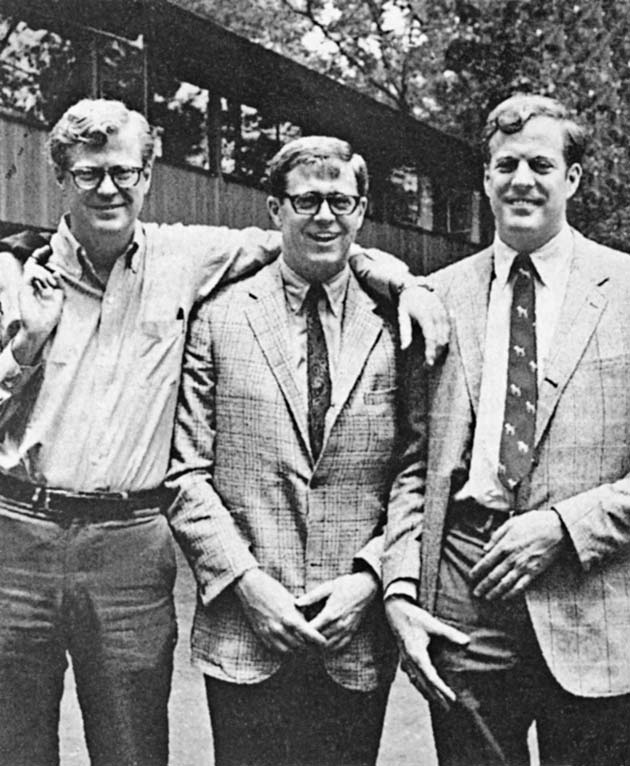
Koch Industries today is a diversified company that is involved in oil/gas refining, paper products, technology, even has their own private investment group to evaluate providing capital to companies. Many people may not know but Koch Industries was actually in the car dealership business back in the 1970's. Chrysler back in the late 1970's decided that it wanted to sell Chrysler Realty Corporation. As part of the Koch vs. Koch lawsuit the Chrysler deal is mentioned in the testimony and the summary can be found here. (The photo above is Bill Koch, Charles Koch, and David Koch).

In September 1979 Koch Industries and George Ablah a land developer from Wichita, Kansas formed a partnership called ABKO. George Ablah who was known as a real estate magnate in the Wichita area and known for constructing shopping malls and developing commercial real estate. George knew Charles Koch (who at that time was only 43 years old) and  ABKO Realty was structured to be 50% /50% deal between Ablah and Koch Industries. The name came from from the first two letters of Ablah and well the KO came from a well known oil and company. Charles Koch is known to be a good negotiator and it was even commented that he will negotiate the hyphen in a 50-50 deal. One of the reasons for using the name was a named that could be used in all 50 states. According to Ablah the purpose of the deal was "an opportunity in our eyes to accumulate a lot of real estate in one purchase, and use it as a base to grow". The concept of ABKO was to sell the dealerships that they purchased from Chrysler realty, reduce the overall debt, and then attempt to diversify out of the real estate holdings. ABKO would establish a grade for each property purchased and rate the properties between a grade of A-D to decide which properties to sell and which properties to keep.Actually George was able to start his real estate career when he used the name of Fred Koch of a reference on a bank loan. Charles Koch would refer to Ablah as the second best business partner he ever had (the first was his wife).

The ABKO partnership would allow Koch Industries and George Ablah to purchase Chrysler Realty stock for a cash price of $70 million (after credits) in September 1979. In the late 1970's Chrysler owned 4,730 dealerships throughout the United States and by Chrysler Realty in 1978 earned about $13 million. However by 1979 the Chrysler was in financial trouble and on the verge of bankruptcy needed a $1 billion from the U.S. federal government. What Koch purchased was 556 Chrysler dealerships and 245 leased Chrysler dealerships. The $70 million deal was financed mostly with debt as Koch contributed only $7 million and the remainder of the monies were financed either by Koch Industries financing or from money borrowed from The First National Bank of Chicago. George Ablah personally guaranteed $29 million of the loan in the deal. 

ABKO would trade 26 Chrysler dealerships for an office building called "Blue Hill". Blue Hill was an office building in New York that only had a occupancy rate of 19% (typically buildings with an occupancy rate of less than 80% are in trouble). The swap for the Blue Hill office building was roughly $25 million. Blue Hill later  would be sold by George Ablah in June 1985 for $100 million. Ablah took on more debt from First Chicago and Chemical bank to make massive capital improvements into Blue Hill and increased the occupancy level to the highest it had ever been. Selling Blue Hill would give Ablah a net gain of $29 million. Taking on debt would catch up to George though. In 1992 George and his wife would file for bankruptcy after changes in federal and state tax rules in the 1980's and early 1990's.

By year end 1981 ABKO was showing results. The entity was able to sell 250 dealerships and realized an after tax income of $34 million ($28 million was paid out as a dividend) and paid down a large portion of the debt owed. Realizing that the economic situation had improved by 1981 Chrysler was interested in repurchasing some of the dealerships owned by ABKO. In 1982 Chrysler and ABKO negotiated a purchase price of $119 million. By this time there were 521 dealerships remaining and Chrysler would purchase 336 of the remaining dealerships from ABKO and sign a 15 year lease on 110 dealerships. The rental income that was generated from the 110 properties had been $11.5 million . The early 1980's were good to Koch Industries.  Koch Industries in 1981 had roughly $17 billion in revenue and earn $309 million (a 20% increase from the prior year in earnings). In 1982 Koch Industries would have $309 million in net earnings.

However, by April 1982 George Ablah was getting worried about the future of ABKO due to the controversy between Koch Industries and the lawsuit between the Koch brothers. Ablah in a 7 page memo felt it was hard to do any type of future planning for ABKO due to the lawsuit (he even mentioned he believed he didn't believe William Koch and the other dissenter shareholders liked him). It was at this point that a split up between Koch Industries and ABKO would occur

On September 20, 1982 Ablah and Charles Koch met to discuss the liquidation of ABKO. It was believed that the after-tax value of the company would be worth $90 million (remember the purchase was $70 million).  In addition to this, Blue Hill would be worth another $26 million. These of course were preliminary talks and estimates. Charles felt the Ablah should stay until most of the properties had been sold. Also Charles felt it was too early to come to a final agreement since he felt the evaluation of ABKO wasn't complete. By October 1982 (this would be the month Bill Koch and other dissenter shareholders would file a lawsuit) Koch had finalized a proposed transaction and bought out George Ablah's 50% interest in ABKO for $45 million.

The analysis of the possible deal was completed in early October and then proposed at the October 19, 1982 board of meeting.  Koch board of directors meeting included Charles Koch, David Koch, Sterling Varner, and Howard Marshall III.  A 30 page executive report was created that outlined the proposal, the history of ABKO, and other pertinent financial information.   When taking into account the present value of the properties the executive committee report came up with a value between $84-$89 million. The deal would have Koch Industries purchase Ablah's 50% interest in ABKO for roughly $45 million. In last minute revisions of the deal Koch would give Ablah two airplanes (a Lear and Citation jet debt free-however this would reduce the cash he would receive).

The Koch Industries board approved the deal November 6, 1982 (this would be a Saturday-in this Wichita Eagle article it is discussed how Koch Industries executives were expected would work all day Saturday-even into Saturday night). During that Saturday meeting William Koch would testify that the calculations and the outcome of the ABKO deal weren't obvious from the report provided from the 30 page executive report). William would end up retaining evidence of what Koch Industries was doing by keeping files on meeting notes, exploration maps, and files on 37 different subject matters.William asked older brother Charles what the future plans were and Charles responded that there were no final plans and they would probably sell the "bad" properties and keep the good properties for the income stream and continue to evaluate in the future.

Between 1982-1985 with the economy improving Chrysler was also improving and Chrysler was more interested in the remaining dealerships increased. The stock price of Chrysler increased from $11/share in 1982 to $37/share in 1985. Between 1982-1983 Koch would sell 30 more dealership properties for $30 million. For the 1Q 1983 ABKO (which was under Koch Properties) had annualized cash flow of $2 billion. By early 1984 Koch believed that the remaining properties should be sold for an amount equal to what Koch Industries could earn on other investments (Koch believed this was 8%/after taxes/after debt). In October 1985 Chrysler agreed to purchase 56 properties from ABKO for $110 million (Koch believed the properties were worth $98 million (based on report shown to the Koch Industries board of directors) so asked for $135 million). The $110 million was paid to Koch over a 10 year period using a long term note paying 12%.

This case study is a great example of how Koch Industries evaluates their deal making process. Honestly it was shocking to me how much little equity Koch had in the ABKO deal. Koch's capital contributions were only $7 million out a $70 million deal. $63 million of the deal was either financed by Koch Industries or by banks. The deal overall turned out to be good for Koch Industries and George Ablah. Koch purchased Chrysler Realty stock for $70 million in 1979 and then sold properties over time earning $34 million in after-tax profits in 1982, sold properties for $30 million between 1982-1983 and then selling the remainder of the properties for $110 million in 1985. It is hard to know exactly how much money was made on the deal however it is clear that Koch Industries and George Ablah clearly did well on the ABKO deal. 

Saturday, March 15, 2014

Koch Industries (Koch Brothers) Actually Decreases Pollution and Recycles


So I have been following the Koch brothers/Koch Industries for a while. You often hear of many reports about how Koch Industries pollutes and is making the air and water dirty for everyone else to breathe. However, do Charles and David Koch breathe different air then the rest of us?

I have to admit even I thought Koch Industries made pollution a tad worse until I actually looked at some data. I found reports (this link has all years I will refer to) that showed they do indeed reduce their pollution, recycle, and are actually more green than most people think. The latest Koch EHS report from 2014 is here

Currently about 90% of Koch facilities are STAR certified. STAR certified is a voluntary program from OSHA that companies voluntary join in order to make their workplaces safer than even OSHA regulations. A better explanation of this program is explained here. Because STAR sites are safer (because of voluntary actions of the company) they are rechecked every 3-5 years instead of every year. OSHA reviews incident rates every year though. However, as we will see Koch through continuous improvement has reduced emissions and made their work environment safer.

From 1997-2006 Flint Hills Resources refinery in Rosemount, Minn (this facility is very large-as I have actually driven past it) decreased emissions of carbon monoxide, nitrogen oxide, and sulfur dioxide by 53%. Also in 2006 criteria air emissions were .07 pounds per barrel of refining capacity, which was 65% less than the industry average of the 50 largest refineries in the country. As of 2012 the Flint Hills Resources in Corpus Christi, Texas went 12 years without a lost-time incident. Even the Obama administration praised Flint Hills Texas facilities. In 2000, a senior EPA official praised Koch because their Koch Petroleum Group agreed to reduced emissions by 60,000 tons annually. 

Koch invests 90% of their earnings back into the company. Much of this is to improve or upgrade existing facilities. In 1999 Koch introduced a low sulfur product six years before federal standards would be mandated. The company spent $200 million at the Pine Bend refinery (which produces low sulfur fuels). At a Koch Mont Belvieu, Texas facility decreased plant flaring by 95% which decreased emissions from 40,000 pounds in 2000 to about 2,000 pounds by 2003. 

People forget Koch Industries has a division that actually purifies water (Koch Membrane-which David Koch is in charge of). Koch Membrane provides drinking water to municipalities which use cartridges to clean out the water and can clean millions of gallons of water every day. In fact Koch's reverse osmosis module removed 99% of total arsenic in order to provide clean water to agencies and municipalities. Is is ironic that critics claim Mr. Koch is polluting the earth when he runs a division that purifies water!

In 1997, Koch Petroleum's refining operations had 45% fewer criteria air emissions that the average amount peer refiners. By 2000, Koch Pipeline transported 650 million barrels of liquids (including crude oil, natural gas, and other chemicals) and only one quart of product even touched the water. Between 1995-2000 Koch operated pipelines were able to reduce their leaks by 92%. In order to run these pipelines Koch spent $33 million in order to build a control center that had a fiber optic cable, customized software, plus a power supply that isn't uninterrupted.  In December 2012 Koch Pipeline and Flint Hills Resources went 8 years without a lost time incident. Speaking of Flint Hills from 1997-2012 the company reduced its emissions by 76% and emissions were 38% lower than peer refiners for 2012. 

Koch Industries is also into recycling between 1999 and 2000 Koch Industries more than 326 tons of material which was a 19% increase.  From 2000-2003 the recycling amount per person increased 29%.

Koch operates in a pretty safe environment.  Koch's Matador Cattle company for many years has operated with no incidents. Koch Aviation which flies about 2,300 hours per year had a four year OSHA recordable injuries in the mid 2000's that was 80% lower than the industry average. John Zink worked more than 4 million hours and 850 consecutive days without an injury resulting in time away from work. John Zink at this time had 700 employees working 1.7 million years annually. In 2006 six Georgia Pacific facilities had more than 1 million hours in each facility without a lost day of work. A Koch Nitrogen facility in Oklahoma recorded 3 years with no lost time injuries. An Invista facility in the Netherlands went 15 years without a lost workday case and Invista site in Brazil went 32 years without a lost time injury! At the same plant from 2003-2011 which makes LYCRA fiber reduced the amount of water used and actually saved enough water to fill 80 million one litter bottles.

To my knowledge Koch no longer explores for oil/gas. The company does refine oil which is turning the crude oil into other byproducts that are used into everyday goods like plastics. Koch just purchased Molex which is a connectors company that makes connectors for iPhone and other electronic devices. The company makes plastics, fibers, refines oil/gas, minerals, fertilizer, sends oil and gas through pipelines, and even does ranching. It seems as if though Koch Industries voluntary invests 90% of their earnings back into the company to make company assets and employees safer. By reinvesting the earnings back into the company Koch increases productivity and reduces lost work time due to accidents. By reducing the amount of waste Koch is able to make more money and use fewer resources. How many people would have guessed that Koch Industries actually reduces pollution and makes the world a greener place?


Monday, March 3, 2014

Charles Koch Wichita Business Journal Interview


                                          Photo Credit: Kellen Jenkins of WBJ 

So last Friday morning the Wichita Business Journal (the article is only unlocked for a week) in an effort to revamp their journal came out with a profile of Charles Koch. Koch is not known to give very many interviews. Although in the past few years he did one with Forbes and one with the Wichita Eagle. The story of how the interview came about is interesting (more on that later).

In the interview done in February 18, 2014. From the pictures Charles Koch looks very relaxed wearing an Oxford Polo Shirt (who would think a billionaire would wear Ralph Lauren-that isn't Ralph Lauren). Koch talked about a number of different things like why Koch Industries is still in Wichita (I was even surprised he quoted Hayek on that). On innovation when asked why Charles Koch who is 78 years old and still shows up up to work everyday. According to Koch "I may be old, but I'm not dead yet". Koch Industries is still trying to integrate Molex from their merger last year. I would imagine Molex employees are learning more about Market Based Management. Koch said that Molex has to "get an idea built and get it commercialized immediately". Molex makes connectors that go into computer and electrical products (wait I thought Koch Industries was an oil giant). What is really interesting was Koch discussing products that can learn themselves. He discussed about building a computer into a glass mirror that could learn to adjust the temperature or the amount of light to come through the mirror all with the press of a button. Koch Industries has also made some interesting investments like into American Greetings (a card company). Essentially, Koch provided capital to American Greetings in order to take the company back. Charles Koch points out that it is hard to give a loved one the same message from a digital card as a hand delivered card. Koch said he liked the new technology in the drilling business (however he doesn't want to get back into that industry).

Chase Koch is the son of Charles Koch and earned his BBA in Marketing from Texas A&M University and has been with the company since 2003. I talked about Chase Koch and possible estate planning here. Charles Koch even challenged if his son would be the best person for the job. I honestly believe that if Charles Koch didn't believe his son was ready he would not have him on board with the company. Koch Industries has a large bench to pool from in terms of talent in the future if needed.

When talking about his political views Koch is really trying to save the country by promoting limited government and free markets. He talks about cronyism and the barriers to entry (taxi medallions or required schooling for hairdressers). Koch does correctly point out that make it harder for poor people to advance "for disadvantaged people trying to get started, its unconscionable in my view". Honestly, it seems clear the Charles Koch does want to help poor people. Thomas Sowell once said that the difference between Democrats and Republicans is that Democrats want to give the poor money while they are poor and Republicans want to help poor people stop being poor. Koch talks about long-term interest instead of short-term interests. Since Koch is private they don't have to worry about analyst meetings or quarterly earnings. In this interview from 2007 Koch said "a public company has to cope with the extreme focus of the analysts and the equities market on quarterly earnings. Someone misses quarterly earnings projections by a penny, and their stock goes down 10 percent". Most people actually incorrectly believe that companies are just into the bottom line for the short term. However, if you constantly make bad decisions in the short run you won't be around for the long run. Koch points out that "people should only profit to the extent they make other peoples lives better. You should profit because you created a better restaurant and people enjoyed going to it. You didn't force them to go, you don't have a mandate that you have to go to my restaurant on Tuesdays or Wednesdays or you go to prison". Gee, for some reason I have this feeling if I don't purchase healthcare I get some time of penalty. When talking about political contributions and his interests it should be noted that Charles Koch, David Koch, and Koch Industries are subjected to death threats, cyberattacks (speaking of which a 24 year old Iowa man got busted for trying to launch a cyberattack on the Koch website). I saw someone from Young Turks explaining how it was nice that young people were realizing that Koch Industries was a bad an evil corporation and even liberals should feel a little proud when the company gets hacked.

It was interesting to see the Charles Koch Foundation is working with Michael Rowe from  "Dirty Jobs" in order to explain to people they don't need to get a liberal arts degree and that some people who have certain talents can make very good money my satisfying needs and wants of people.

A nice feature of the article is when former Koch employees reflected on there time at Koch. Nearly all of them said it shaped how they thought and had a positive effect on who they become as business people. Former employee Patrick Ahern said that in one year he learned so much he would have paid to work at Koch Industries.

According to reports Koch Industries decided at the last minute not to allow video during the interview (probably for security reasons). It is pretty clear that Charles Koch and his brother David Koch unfortunately have to have armed guards 24/7 to protect them because people fundamentally don't agree with their ideology. The ironic thing is that these people who complain are most likely using a Koch Industries product. If they use the toilet they most likely used Georgia Pacific toilet paper. If they dried their hands they used a paper towel from Georgia Pacific. After the purchase of Molex, if anyone has a iPhone it was created partly by Koch Industries. The list goes on and on of products that Koch creates that every day people use (probably without even realizing it). What is even more interesting is that Koch to my knowledge doesn't explore for gas like actual companies (Chevron, ExxonMobil, and the rest).


Sunday, July 28, 2013

U.S. Post Office, Unions, and Realtor Interest Groups Give More To Politicians Than Koch Industries


What is quite amazing is when I hear that the Koch brothers and Koch brothers are influencing politics. The Koch brothers could spend $100 billion on political races however at the end of the day people will vote their own way. Votes can't be "bought".

When examining the actual data from 1989-2012 from opensecrets.org it seems as if Koch Industries is no where near the top in terms of political contributions. Anyone who watched MSNBC, read the New York Times, or listened to Ed Shultz on the radio would think otherwise. In fact Koch Industries only gave $17 million in a 23 year period. This Palm Beach Post article talks about how David Koch gives more to charity than to politics on a scale of 4-1.

I don't even hear Fox News covering the fact that unions are donating large amounts of money to politicians. Democrats and Republicans are in the same business they just have different friends.

Sunday, July 7, 2013

Berkshire Hathaway and U.S. Government Pollute More Than Koch Industries


One thing that constantly bothers me is when people claim how much Koch Industries pollutes. People forget Koch Industries is one of the largest energy companies in the world. One study that people on the left always love pointing to is a University of Massachusetts Index called Greenhouse Polluters 100 Index. What is fascinating is that U.S. government is #4 on the list and Warren Buffett's Berkshire Hathaway is #5.  If you add the percentage from both the U.S. government and Berkshire Hathaway is it over 2.2% of all greenhouse gas emissions. Koch Industries comes in at #27 and only has 0.36%. Now if people were complaining on principle wouldn't liberals be just as made about the pollution generated by the U.S. government and Berkshire Hathway as they are about Koch Industries? Berkshire Hathaway is mainly in the insurance business (they also own Dairy Queen and Star Furniture) and still generate more pollution than the "oil conglomerate" Koch Industries.

Actually Koch Industries has been reducing their pollution over time. This is from the May 2013 Koch Industries Discovery magazine.

"Since 1997, Flint Hills Resources’ refineries have reduced average per-barrel criteria air emissions by 76 percent. In 2004, FHR earned a Clean Air Award from the U.S. Environmental Protection Agency for reduced flaring and emissions.  In 2000, FHR refineries averaged almost  two hours of flaring per day. In 2012,  flaring at Pine Bend Refinery totaled just six-and-a-half hours for the entire year. As for other Koch companies, at Georgia-Pacific, sulfur dioxide emissions have been reduced by almost half since 2000. Total suspended solids in wastewater have been cut by 38 percent since 2005."

Even if you don't believe this is true Koch Industries since January 2009 has won close to 750 awards for safety and environmental excellence. What is even more amazing is that Koch Industries Pipeline earlier this year announced they went 8 million working hours (11 years) incident free.

Wednesday, July 3, 2013

Charles Koch: Playing Scrabble, Pilates, and Wall-Street Deals


Source: Koch Industries

In a recent Wall-Street Journal article Charles Koch and Koch Industries talked about how the company these days don’t mind minority stakes in companies instead of purchasing whole companies (the last large merger for Koch was when they purchased Georgia Pacific in 2005. The company bought preferred stock in American Greetings Corporation in order to help the company go private. Koch Industries probably saw a good return (the media would interpret this story as “Koch Industries Controls How People Say I Love You”). Koch also paid $1.5 billion for just a 44% stake in Guardian Industries (glass maker).  In another WSJ article Mr. Hagerty discusses just how Koch got into the glass business. Koch actually was examining Guardian Industries for 7-8 years. Koch Industries actually looks at roughly 100 deals at any given time. Guardian didn’t want to go public after their owner died and Koch was interested in the company so Koch installed one of their executives to become CEO.  Guardian creates energy efficient glass (energy conservation sounds green to me) and supplies the glass screens that are used in cell phones.

In another article written by James Hagerty of the Wall-Street Journal Koch Industries says they don’t attempt hostile takeovers of companies. Koch Industries does get a lot of calls from people who need capital who don’t know anyone on Wall-Street. Koch Industries doesn’t get into businesses just because the margins are good. This might be due to their view about creating long term value for customers. Koch Industries actually exited the gas station business years ago when they learned running a convenience store really wasn't that convenient.  Charles Koch points out that being private is better because this way the company doesn’t have to always try to explain their actions to outside investors. There is some truth to this as public companies are frequently covered by analysts who can make a stock move a large amount on just a small bit of information. As Charles Koch said in this interview back in 2007 if a company “misses quarterly earnings projections by a penny, and their stock goes down 10 percent”.  In fact Charles Koch admits in this interview that if Koch Industries had been a public company he would have been fired long ago.

In this WSJ article (again by Hagerty) Charles Koch talks about the possibility of playing scrabble. What is interesting is that Charles Koch at the age of 77 still goes to work and keeps himself productive. According to Koch he wants to work every day and exercise his mind. He gets up early at 6:30 A.M. and is working by 7:30 A.M. (he no longer drives himself to work). Koch does do a lot of reading and in this article back from 1994 he was reading 3 hours a day. Koch also spends time working out on the elliptical, lifting weights, and even does Pilates. What I found interesting was Koch use to run 30 miles a week (about 4 miles a day). He says he was pushing himself too hard and his knees gave out (he actually had both of his knees replace according to this profile done by The Wichita Eagle last year). The interesting part of the interview is when Koch asks what he should be doing with his time. The interviewer suggests that Koch play scrabble and Koch responds by saying “That’d be something!”. I personally would suggest Mr. Koch write an autobiography in order to explain how he became successful and so historians don’t write their own history about Charles Koch and Koch Industries. 

Bonus: Notice Charles Koch on his bookshelf have books from Dr. Walter E. Williams and Thomas Sowell

Wednesday, June 5, 2013

Charles Koch Wall-Street Journal Interview on Koch Industries Purchasing Newspapers


It seems as if Charles Koch has confirmed that he is looking into purchasing a newspaper company.  In a Wall-Street Journal article released today. As I mentioned in this post I don’t believe Koch Industries is going to purchase newspaper companies to “control media”. Koch Industries will most likely buy the newspaper companies for what the companies are worth and try to make them profitable over the long term. Koch in a statement said that “there is a need for focus on real news, not news with an agenda or news that is really editorializing”. Koch Industries hired an adviser to look at possible media investments.  Charles Koch stated Koch Industries will not be paying a high price either. According to Koch “[Koch Industries] wouldn’t be interested in putting huge amounts of money in [newspapers] on the bet [Koch] can have a miraculous turnaround”. Koch admits there is a lot to learn about the media business.  Of course Koch Industries will only take on things that make economic sense.

It is interesting that there is so much opposition to having a company purchase a newspaper company.  Apparently, according to this story 50% of Los Angeles Times journalists will quit if the Koch brothers purchased the newspaper. Interesting if these people quit their job where else will they work? The print industry is a dying industry. Technology has reduced the price of data, information, and journalism. Even bloggers like me have been providing news to people (for almost nothing).  Some 500,000 people have signed a petition and protests have occurred in 12 cities to “Save Our News” from the Koch brothers.  I love how the protesters usually have never worked for the private sector and if they did it was “an awful experience”.

I personally don’t believe Charles or David Koch are trying to influence the editorial views of any newspaper they may purchase. If anything Koch Industries is trying to make an investment and assets at a low cost and trying to create value by putting those assets to a higher valued use.

Sunday, March 24, 2013

Koch Update: Daycare Facility, David H. Koch Plaza, Newspapers, and New Wild Bill Koch Interview


So while I have been away it seems as if the Koch brothers have been making the headlines. One I forgot last year was David Koch made it finally possible for MIT researchers to have a daycare center that would double the size of the daycare facility population (providing daycare for 126 children) and will open in August 2013. Actually the whole idea came about when a post-doc woman was sitting next to David Koch at dinner one night and talked about the state of the daycare at MIT.

In another Koch related news David Koch donated $65 million to the groundbreaking ceremony video can be seen here (Koch makes some remarks at around the 1:26 mark). Construction won’t be done until the fall of 2014. I always wonder why liberals hate David and Charles Koch so much when they give to causes like the arts that liberals and the general public tend to enjoy.

Bill Koch has been in the news as well. Bloomberg had a story a few weeks ago discussing the false imprisonment suit. In probably one of the most bizarre Koch lawsuits to date former Oxbow employee Kirby Martensen claims he was held against his will. Judge Jacqueline Scott Corley dismissed the lawsuit Martensen brought however claimed that she didn’t buy Koch’s arguments. The case is being retried and the name is Martensen v. Koch.

In somewhat Koch Industries related news Daniel Fisher of Forbes had an excellent story (his writing is superb) on the Marshall family (who are still to this day part owners of Koch Industries) describing how J. Howard Marshall II (the guy married to Anna Nichole Smith) and his family are having a fight not between family members but also the IRS for gift taxes owed. Last year Bloomberg discovered through tax documents that Elaine Marshall owned 15% of Koch Industries which gave her a net worth of $12.7 billion. It is somewhat interesting that if a few court decisions had gone a certain way Anna Nichole Smith could have ended up with ownership of Koch Industries. Fisher discovered some great primary documents like this tax court document for J. Howard Marshall II.

The most recent news that has been talked about is Koch Industries maybe purchasing the L.A. Times. It would be interesting to see market based management journalism. First I really don’t know how true this rumor really is. Also newspapers have been a dying breed as revenue is at an all-time low (even after adjusting for inflation).  The Koch’s grandfather Frederick Koch did run a news paper in Quanah, Texas.  Speaking of Koch Industries I forgot to point out this article (again by superb journalist Daniel Fisher) which describes how Koch Industries reinvests 90% of their earnings into the company while correctly pointing out that both Charles and David may have issues down the road in terms of succession planning. With a net worth of $34 billion each and 84% ownership in Koch Industries it makes estate planning difficult even though Charles claims they have been doing estate planning for years. Actually the serious estate tax bill will come not when Charles and David pass on but when their wives pass on.

Lastly and maybe one of my favorite parts is that Bill Koch actually granted an interview (7 pages worth) to 5280 (a Denver magazine). It seems like Wild Bill is spending a lot of time on the ranch working out details. Koch seems to be putting forth a lot of effort in getting the history correct and everything historically accurate. The town will be intended to be a private getaway for him and his family. The goal of his town is to all have a place to come to as they grow older and have their own families. After decades of battles between Charles, David, and Bill I guess Bill has come to realize that fighting between family members really doesn’t lead to anything good.  Bill Koch’s twin brother David Koch apparently was interviewed too and admitted in his younger days he was more interested in the popular people on campus, the girls, and the athletes. David also said that Bill was the more serious student. Bill like his brothers David and Charles had to work on the ranch (beginning at age 13 and worked 12 hours a day, seven days a week). Bill in the interview also discusses the incident with Martensen and said Oxbow became aware in 2011 of possible misconduct by Martensen and through an internal investigation (e-mails, recordings, and over 4 million items in total) Martensen was planning a scheme. When confronted about the wrongdoings Martensen admitted to some of it. The whole ordeal sounds bizarre about detaining an employee and a trial, judge, and jury will have to decide the outcome. Toward the end of the interview Bill mentions he wants to live the rest of his life in peace, spend more time with his family, and hang out in his own town. The governor of Colorado would like Koch to open the town to high paying visitors and school children (Koch is unsure if this is the right move however how often will his family even “use” the city”?”

Bill Koch is probably one of the most interesting people I have ever read about. The Koch brothers are fascinating as well. Whatever side of the political spectrum one is on I think people can agree they are interesting, controversial, and I have learned so much from studying the history of the family. I can say one thing is for sure there probably will never be a family as interesting as this. 

Sunday, October 14, 2012

Kochs’ Quest To Save America


Source: Wichita Eagle

It seems as if more information came out about the Koch brothers over the weekend. The Wichita Eagle published this article on October 11, 2012. On the Wichita Eagle website (Kansas.com) it said that this was an exclusive and only part 1 of an extensive interview. I am hoping for more articles out of this of course. As you may know I have been interesting in the Koch family for quite some time and did a historical net worth of Charles and David here, a Koch family history, the $1.3 billion lawsuit between all the Koch brothers,  growth in the 1990’s,  as well as current growth, even David Koch dating.

There was not only the original article that came out but also some photo galleries that can be seen here and here. Some separate articles are quotes from Charles Koch, David Koch, and Dr. Richard Fink (executive Vice President of Koch Industries). Growing up the Koch family had a strict dinner policy. At 6:30 a big bell would ring and they had to come into the house and sit down with parents. David admits he was scared when he was diagnosed with prostate cancer in the 1990’s. He actually believed he wouldn't be around very long. His prostate cancer is under control and David has generously funded causes to help find a cure for prostate cancer as he donated $25 million to M.D. Anderson Cancer Center in Houston. As part of his legacy David wants people to know he tried his best to make the world a better place and improve the lives of others.

What we learn in all this recent news is how the Koch brothers have been personally targeted by the Obama administration for using their first amendment rights to speak out against the administration. Wichita Eagle mentioned the death threats in this article. Not only has Charles and David Koch (David said he got 100 creditable death threats) been getting death threats but employees as well. Of course these death threats are from deranged people who don’t actually have all the facts and watch MSNBC all day, read Media Matters online, and listen to fools like Ed Schultz on the radio. I haven’t even heard of President Obama getting death threats and you would think that would be likely with all these so called “racists” out there. At any rate, the death threats on the Koch family have caused them to hire more security for them and their family (tax increase of course).  The article mentions how Austan Goolsbee (Obama’s chief economic adviser claimed Koch Industries was not paying their taxes (which is actually a crime under federal law to disclose confidential tax information). Stephanie Cutter Obama’s chief campaign manager claimed she “was going to call their BS”. Apparently, Ms. Cutter has not seen a video where Koch Industries calls Cutter on her BS here. This video talks about the falsehoods associated in a Bloomberg article that discussed the dealing Koch had in Iran. In May 2012 David Axelrod called the Koch brothers “contract killers”.

Also it is learned that Dr. Richard Fink told the Koch brothers in January 2009 around the same time when President Barack Obama was sworn into office that there would be a price to pay for taking on the president. One of the risks might be to put Koch Industries at risk as well as the family legacy. The government does have the power to do much harm to Koch Industries as it can “randomly” audit the company, refuse permits, or treat them in a way that would not be business friendly. David Koch talks about how we will have inflation by buying bonds to finance debt.  This has forced interest rates to very low rates and as Charles points out really doesn't help the people who save money (Koch praised John Allison’s new book on the financial crisis which I am currently reading). Fink points out that the interest alone due to China by 2025 will be enough money to fund China’s military budget.

Another interesting point that people forget is that Charles and David Koch are more libertarians than anyone thinks. Charles even admits that if Democrats supported free markets and limited government they would donate to them (it just so happens that the people who endorse free markets are Republicans). They support people who want limited government, strong property rights, and people who want everyone to prosper. Both Republicans and Democrats have failed this test and Charles points out that even under Romney the country will just decline as a slower rate compared to Obama.  Although people claim that the Koch brothers want more deregulation to make more money this is a foolish statement. If markets are deregulated allowing more competitors into the same businesses as Koch how does that benefit them if they would face even greater competition? It is actually against their self interests to want more competitive markets. However, the Koch brothers rise to higher morals and want a system that makes the world a better place for everyone.

Dr. Richard Fink was looking to fund a free-market organization and went to Koch (after buying a $1,200 plane ticket to Wichita). Fink wore a polyester based suit and made a presentation to Charles in 1977 in search of seed funding of $150,000. Charles admits the fact that Fink wore a polyester suit helped (petroleum based which Koch has businesses in). Then there were the invitation only economic seminars which the first one in Chicago with only 17 people having nonstop lectures (people couldn't even taken bathroom breaks).

Clearly, the Koch brothers have benefited society through their charities (they donate to the arts, medical institutions, and schools). In addition creating a business that now has 60,000 employees they create products that people use every day (toilet paper, Dixie paper cups, along with blended gasoline). David Koch’s technology group is even making water cleaner to drink. I really admire them for their success in not only running a business but promoting an economic system that really would lift people out of poverty and increase the standard of living for everyone. To the Koch brothers I tip my hat to both of you.